











Il y a des questions que nous posons chaque jour. Tu as bien dormi ? Comment s’est passée ta journée ? Tu rentres à quelle heure ? Tu veux un café ? On mange quoi ce soir ? Ces questions remplissent nos vies. Elles sont utiles, elles entretiennent le lien, mais au fond, elles ne racontent rien.
Et puis il y a d’autres questions. Celles que nous repoussons. Celles qui semblent attendre le bon moment. Celles que nous croyons avoir le temps de poser plus tard. Souvent, ce sont précisément celles-là qui finissent par nous manquer… et nous hanter.
Nous connaissons nos proches sans toujours connaître leur histoire
Nous savons ce que nos parents aiment manger.
Nous connaissons leurs habitudes.
Leurs manies.
Leurs expressions favorites.
Leur façon de rire.
Mais savons-nous réellement qui ils étaient avant de devenir nos parents ?
Connaissons-nous leurs rêves d’adolescents ?
Leurs premières peurs ?
Leurs premières joies ?
Leurs plus grandes déceptions ?
Bien souvent, non.
Parce que nous avons passé des années à vivre ensemble sans prendre le temps de leur poser les questions essentielles.
Quel était ton plus grand rêve ?
C’est une question simple.
Et pourtant, elle ouvre souvent des portes inattendues.
Le rêve de devenir institutrice.
De partir en Amérique.
D’ouvrir un commerce.
De devenir pilote.
De vivre au bord de la mer.
Certains rêves se sont réalisés.
D’autres ont été abandonnés.
D’autres encore sont restés secrets pendant des décennies.
Mais derrière chaque réponse se cache une partie de la personne que nous croyons connaître.
De quoi avais-tu peur ?
Nous imaginons parfois nos parents comme des êtres solides.
Presque invincibles.
Pourtant, eux aussi ont connu l’incertitude.
La peur de ne pas réussir.
La peur de décevoir.
La peur de manquer.
La peur de perdre un proche.
La peur de l’avenir.
Comprendre leurs fragilités permet souvent de les regarder autrement.
Avec davantage de tendresse.
Et parfois avec davantage d’admiration.
Quel est le plus beau souvenir de ta vie ?
La réponse surprend souvent.
Ce n’est pas toujours un mariage.
Ni une naissance.
Ni une réussite professionnelle.
Parfois, c’est un coucher de soleil.
Une partie de pêche avec un père.
Une promenade à vélo.
Une soirée entre amis.
Une journée ordinaire devenue extraordinaire avec le temps.
Ces souvenirs nous apprennent ce qui comptait vraiment pour eux.
Quel a été ton plus grand regret ?
Question délicate.
Question précieuse.
Question que presque personne n’ose poser.
Et pourtant.
Les regrets racontent souvent autant qu’une réussite.
Ils révèlent les chemins que l’on n’a pas pris.
Les décisions difficiles.
Les occasions manquées.
Les sacrifices.
Ils éclairent toute une vie sous un angle nouveau.
Qui étais-tu avant que je naisse ?
C’est peut-être la plus belle question de toutes.
Parce qu’elle oblige à quitter le rôle de parent.
Et à retrouver la personne.
Le jeune homme.
La jeune femme.
L’enfant.
L’étudiant.
L’ouvrier.
L’amoureux.
L’aventurière.
Celui ou celle qui existait bien avant nous.
Celui ou celle dont nous ignorons parfois une grande partie de l’histoire.
Pourquoi attendons-nous ?
Par pudeur.
Par habitude.
Par manque de temps.
Parce que nous croyons que ces conversations pourront avoir lieu demain.
Parce que nous imaginons que nos proches seront toujours là.
Alors nous reportons.
Encore.
Et encore.
Jusqu’au jour où certaines réponses deviennent impossibles à obtenir.
Il n’est jamais trop tôt
La plupart des gens pensent qu’il faut attendre une occasion particulière.
Un anniversaire.
Une retraite.
Une réunion de famille.
En réalité, les meilleures conversations commencent souvent un mardi ordinaire autour d’un café.
Sans cérémonie.
Sans préparation.
Avec une simple question.
Et beaucoup d’écoute.
Les réponses deviennent un héritage
Un jour, les voix s’éteignent.
Les photographies jaunissent.
Les objets changent de propriétaire.
Mais les histoires demeurent.
À condition d’avoir pris le temps de les recueillir.
Alors, si vous avez encore la chance de pouvoir poser ces questions à votre père, à votre mère, à vos grands-parents ou à ceux que vous aimez, ne remettez pas cela à plus tard.
Car les questions que personne ne pose assez tôt sont souvent celles dont les réponses comptent le plus.
Et lorsqu’elles disparaissent, elles laissent derrière elles un vide que rien ne peut vraiment combler.
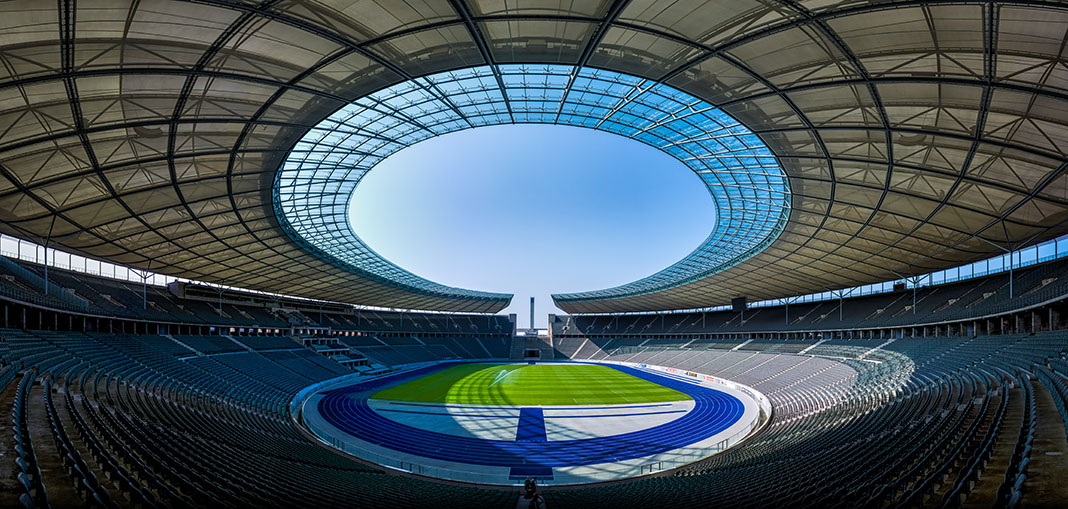
The architecture of different parts of Asia developed along different lines from that of Europe; Buddhist, Hindu and Sikh architecture each having different characteristics. Buddhist architecture, in particular, showed great regional diversity. Hindu temple architecture, which developed around the 3rd century BCE, is governed by concepts laid down in the Shastras, and is concerned with expressing the macrocosm and the microcosm. In many Asian countries, pantheistic religion led to architectural forms that were designed specifically to enhance the natural landscape.
With the emerging knowledge in scientific fields and the rise of new materials and technology, architecture and engineering began to separate, and the architect began to concentrate on aesthetics and the humanist aspects, often at the expense of technical aspects of building design. To satisfy the contemporary ethos a building should be constructed in a manner which is environmentally friendly in terms of the production of its materials, its impact upon the natural and built environment of its surrounding area and the demands that it makes upon non-sustainable power sources for heating, cooling, water and waste management and lighting.
In the late 20th century a new concept was added to those included in the compass of both structure and function, the consideration of sustainability, hence sustainable architecture.
We shape our buildings; thereafter they shape us.
Landscape architecture is the design of outdoor public areas, landmarks, and structures to achieve environmental, social-behavioral, or aesthetic outcomes. It involves the systematic investigation of existing social, ecological, and soil conditions and processes in the landscape, and the design of interventions that will produce the desired outcome.

A system architecture can comprise system components that will work together to implement the overall system. There have been efforts to formalize languages to describe system architecture, collectively these are called architecture description languages (ADLs).
Business architecture is defined as « a blueprint of the enterprise that provides a common understanding of the organization and is used to align strategic objectives and tactical demands. » People who develop and maintain business architecture are known as business architects.
To restrict the meaning of (architectural) formalism to art for art’s sake is not only reactionary; it can also be a purposeless quest for perfection or originality which degrades form into a mere instrumentality ». Among the philosophies that have influenced modern architects and their approach to building design are rationalism, empiricism, structuralism, poststructuralism, and phenomenology.
There was also the rise of the « gentleman architect » who usually dealt with wealthy clients and concentrated predominantly on visual qualities derived usually from historical prototypes, typified by the many country houses of Great Britain that were created in the Neo Gothic or Scottish Baronial styles.
Forests were the first temples of God and in forests men grasped their first idea of architecture.
Since the 1980s, as the complexity of buildings began to increase (in terms of structural systems, services, energy and technologies), the field of architecture became multi-disciplinary with specializations for each project type, technological expertise or project delivery methods. In addition, there has been an increased separation of the ‘design’ architect from the ‘project’ architect who ensures that the project meets the required standards and deals with matters of liability.

The preparatory processes for the design of any large building have become increasingly complicated, and require preliminary studies of such matters as durability, sustainability, quality, money, and compliance with local laws.
We need houses as we need clothes, architecture stimulates fashion. It is like hunger and thirst you need them both.
A large structure can no longer be the design of one person but must be the work of many. Modernism and Postmodernism have been criticised by some members of the architectural profession who feel that successful architecture is not a personal, philosophical, or aesthetic pursuit by individualists; rather it has to consider everyday needs of people and use technology to create liveable environments, with the design process being informed by studies of behavioral, environmental, and social sciences. Cognitive architecture can refer to a theory about the structure of the human mind. One of the main goals of a cognitive architecture is to summarize the various results of cognitive psychology in a comprehensive computer model.

There has been an acceleration in the number of buildings which seek to meet green building sustainable design principles.
Environmental sustainability has become a mainstream issue, with profound effect on the architectural profession. Many developers, those who support the financing of buildings, have become educated to encourage the facilitation of environmentally sustainable design, rather than solutions based primarily on immediate cost. Major examples of this can be found in passive solar building design, greener roof designs, biodegradable materials, and more attention to a structure’s energy usage.
Enterprise architecture applies architecture principles and practices to guide organizations through the business, information, process, and technology changes necessary to execute their strategies. These practices utilize the various aspects of an enterprise to identify, motivate, and achieve these changes. » Practitioners of enterprise architecture, enterprise architects, are responsible for performing the analysis of business structure and processes and are often called upon to draw conclusions from the information collected to address the goals of enterprise architecture: effectiveness, efficiency, agility, and durability.