











Chaque entreprise possède une histoire.
Certaines sont nées dans un garage.
D’autres dans un atelier.
D’autres encore autour d’une table de cuisine, avec quelques idées, beaucoup d’énergie et une bonne dose d’audace.
Au commencement, il y a toujours des femmes et des hommes.
Des pionniers.
Des bâtisseurs.
Des passionnés.
Puis les années passent.
L’entreprise grandit.
Les équipes se renouvellent.
Les locaux changent.
Les outils évoluent.
Et un jour, les fondateurs prennent leur retraite.
Parfois, ils disparaissent.
Alors une question se pose.
Que reste-t-il de leur histoire ?
Derrière chaque entreprise, il y a une aventure humaine
Lorsque l’on parle d’une société, on évoque souvent :
son chiffre d’affaires,
ses produits,
ses marchés,
ses résultats.
Pourtant, ce ne sont pas ces éléments qui créent l’attachement.
Ce qui marque les collaborateurs, les clients et les partenaires, ce sont les histoires.
L’histoire du premier client.
Du premier contrat.
Des débuts difficiles.
Des nuits passées à terminer une commande.
Des décisions risquées.
Des échecs qui ont permis de rebondir.
Des rencontres décisives.
Des moments de doute.
Des victoires inattendues.
C’est cette mémoire qui donne une âme à l’entreprise.
Une culture ne s’invente pas
Aujourd’hui, de nombreuses organisations travaillent leur « culture d’entreprise ».
Elles rédigent des chartes.
Définissent des valeurs.
Créent des slogans.
Tout cela est utile.
Mais les véritables valeurs ne naissent pas dans un document.
Elles se construisent au fil des années.
Dans les décisions prises.
Dans les comportements observés.
Dans les histoires que les anciens racontent aux nouveaux arrivants.
Pourquoi cette entreprise place-t-elle la qualité avant tout ?
Pourquoi tient-elle autant à la proximité avec ses clients ?
Pourquoi cet esprit d’entraide est-il si présent ?
Très souvent, la réponse se trouve dans son histoire.
Le départ des anciens emporte souvent une partie de la mémoire
Dans de nombreuses entreprises, certains salariés ont connu les débuts.
Ils ont vu les premiers locaux.
Les premières machines.
Les premières réussites.
Ils connaissent les anecdotes.
Les difficultés surmontées.
Les choix fondateurs.
Ils savent pourquoi certaines habitudes existent encore aujourd’hui.
Lorsqu’ils partent à la retraite, une partie de cette mémoire disparaît avec eux.
Parfois définitivement.
Quelques années plus tard, il devient difficile de répondre à des questions pourtant essentielles :
Pourquoi l’entreprise a-t-elle été créée ?
Quels étaient les rêves de ses fondateurs ?
Quelles épreuves ont forgé son identité ?
Comment certaines valeurs se sont-elles construites ?
Les entreprises transmettent des savoir-faire. Elles devraient aussi transmettre leur histoire.
Nous prenons soin des bâtiments, es machines, es archives comptables, es procédures, des outils… mais nous oublions souvent ce qui est le plus fragile : la mémoire humaine.
Pourtant, cette mémoire constitue un véritable patrimoine immatériel. Elle explique ce qui rend une entreprise unique. Elle nourrit le sentiment d’appartenance. Elle renforce la cohésion et, par dessus tout, elle donne du sens à tout ce qui a été pensé, imaginé, construit…
Raconter son histoire, ce n’est pas regarder en arrière
Certaines entreprises pensent que raconter leur passé revient à céder à la nostalgie. C’est l’inverse. Connaître son histoire, c’est mieux comprendre son identité.
Connaître son histoire,
c’est mieux comprendre son identité.
Et de préparer son avenir.
Une entreprise qui sait d’où elle vient sait plus facilement où elle veut aller. Les fondateurs ne sont pas éternels, les générations se succèdent, les marchés évoluent, mais les valeurs qui ont permis à une organisation de traverser le temps peuvent continuer à inspirer ceux qui prennent le relais.
Préserver un héritage vivant
Recueillir les témoignages des fondateurs, interroger les anciens salariés, retrouver des photographies jaunies par le temps, témoins d’une époque révolue mais ô combien importante, explorer les archives et y retrouver des pépites, rassembler les souvenirs comme les pièces d’un puzzle… Tout cela ne consiste pas à écrire un livre de plus, il s’agit de préserver un héritage, celui qui a façonné l’entreprise, celui qui explique sa personnalité, celui qui continuera d’inspirer les générations futures. Parce qu’au fond, les bâtiments peuvent être reconstruits, les machines remplacées, les produits évoluer mais, lorsqu’une mémoire collective disparaît, il est impossible de la retrouver. Et c’est précisément pour cette raison que les histoires méritent d’être recueillies avant qu’il ne soit trop tard. Car, si les fondateurs disparaissent, les valeurs, elles, peuvent continuer à vivre.

We shape our buildings; thereafter they shape us.
Landscape architecture is the design of outdoor public areas, landmarks, and structures to achieve environmental, social-behavioral, or aesthetic outcomes. It involves the systematic investigation of existing social, ecological, and soil conditions and processes in the landscape, and the design of interventions that will produce the desired outcome.
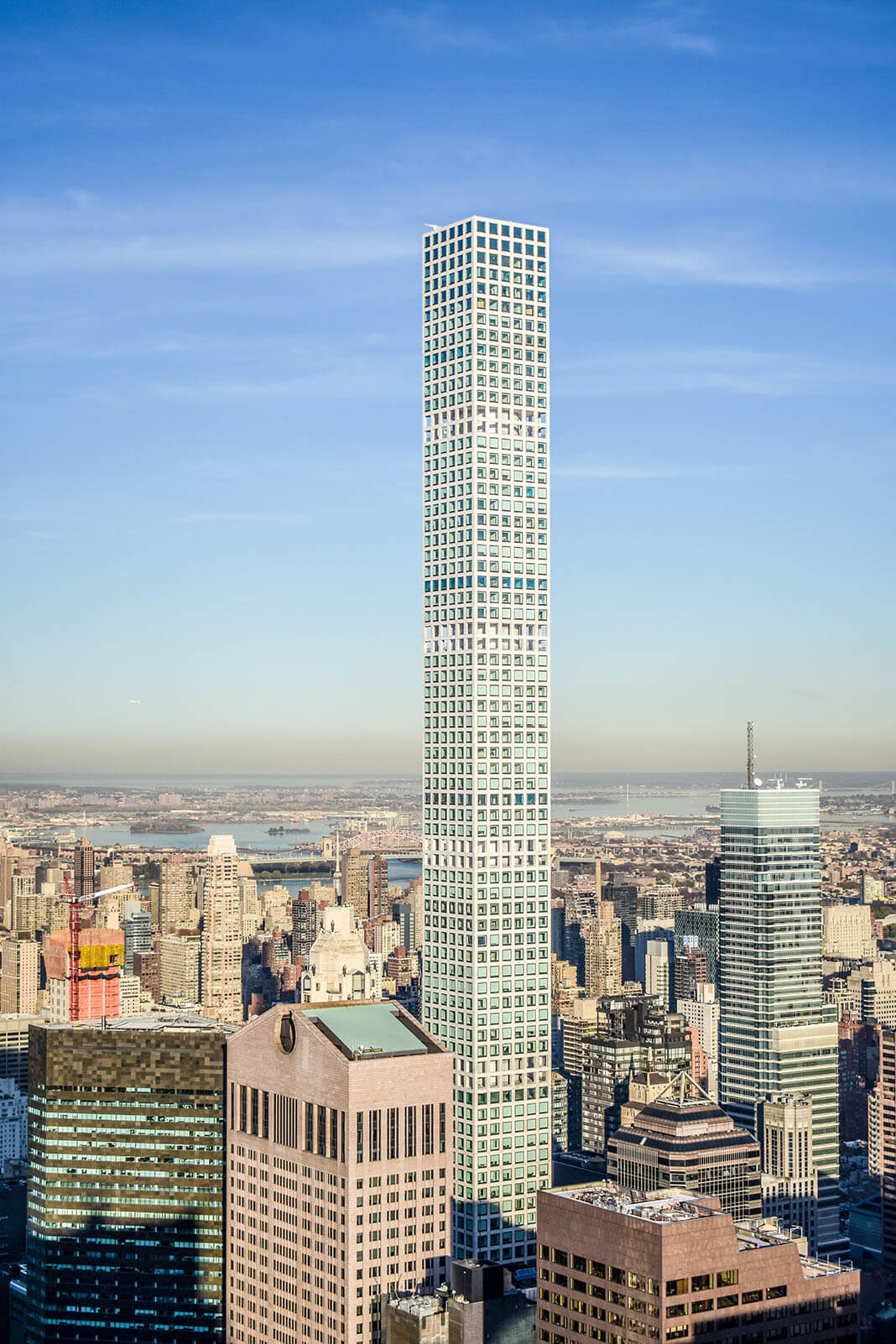
A system architecture can comprise system components that will work together to implement the overall system. There have been efforts to formalize languages to describe system architecture, collectively these are called architecture description languages (ADLs).
Business architecture is defined as « a blueprint of the enterprise that provides a common understanding of the organization and is used to align strategic objectives and tactical demands. » People who develop and maintain business architecture are known as business architects.
To restrict the meaning of (architectural) formalism to art for art’s sake is not only reactionary; it can also be a purposeless quest for perfection or originality which degrades form into a mere instrumentality ». Among the philosophies that have influenced modern architects and their approach to building design are rationalism, empiricism, structuralism, poststructuralism, and phenomenology.
There was also the rise of the « gentleman architect » who usually dealt with wealthy clients and concentrated predominantly on visual qualities derived usually from historical prototypes, typified by the many country houses of Great Britain that were created in the Neo Gothic or Scottish Baronial styles.
Forests were the first temples of God and in forests men grasped their first idea of architecture.
Since the 1980s, as the complexity of buildings began to increase (in terms of structural systems, services, energy and technologies), the field of architecture became multi-disciplinary with specializations for each project type, technological expertise or project delivery methods. In addition, there has been an increased separation of the ‘design’ architect from the ‘project’ architect who ensures that the project meets the required standards and deals with matters of liability.

The preparatory processes for the design of any large building have become increasingly complicated, and require preliminary studies of such matters as durability, sustainability, quality, money, and compliance with local laws.
We need houses as we need clothes, architecture stimulates fashion. It is like hunger and thirst you need them both.
A large structure can no longer be the design of one person but must be the work of many. Modernism and Postmodernism have been criticised by some members of the architectural profession who feel that successful architecture is not a personal, philosophical, or aesthetic pursuit by individualists; rather it has to consider everyday needs of people and use technology to create liveable environments, with the design process being informed by studies of behavioral, environmental, and social sciences. Cognitive architecture can refer to a theory about the structure of the human mind. One of the main goals of a cognitive architecture is to summarize the various results of cognitive psychology in a comprehensive computer model.
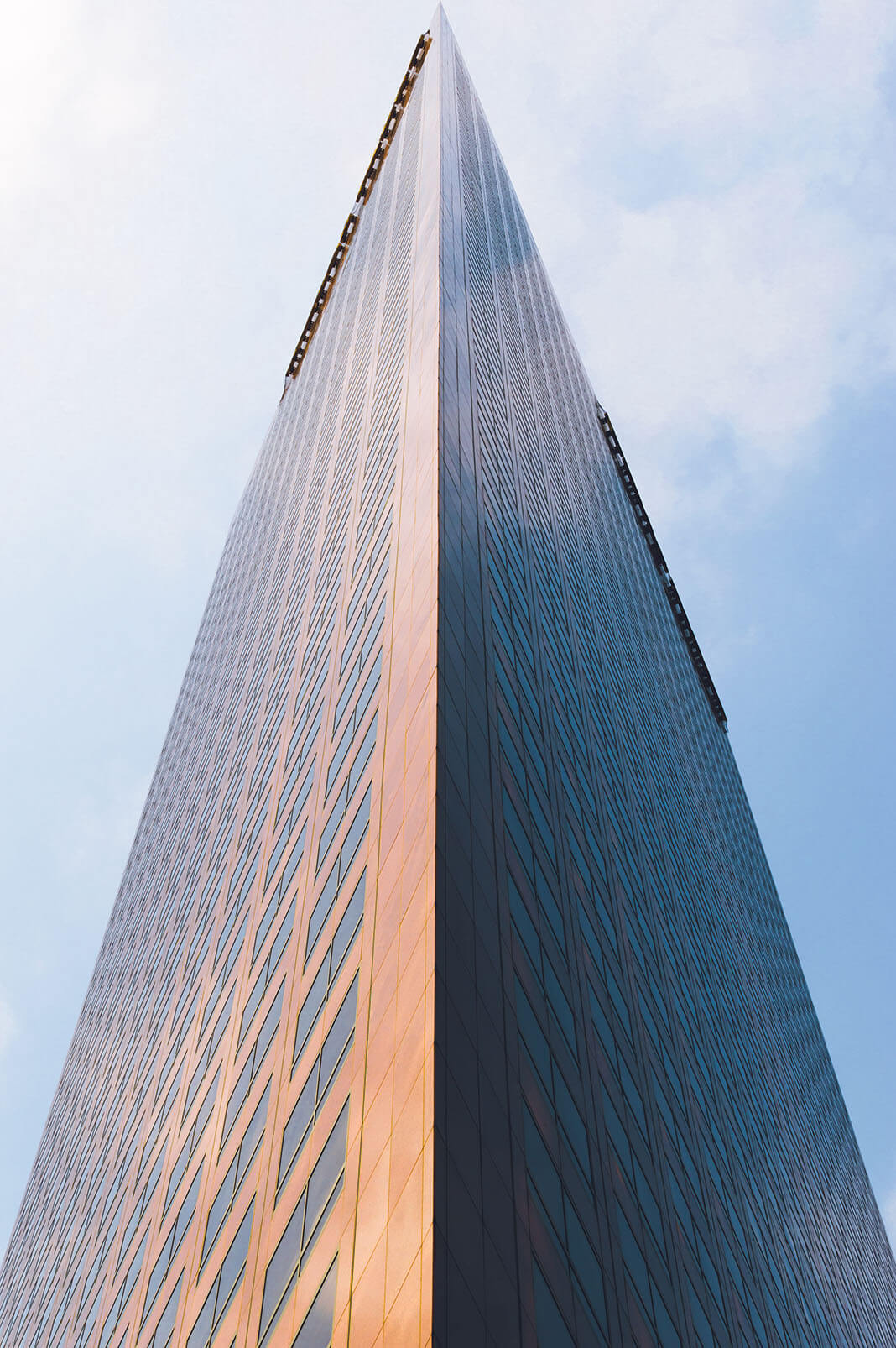
There has been an acceleration in the number of buildings which seek to meet green building sustainable design principles.
Environmental sustainability has become a mainstream issue, with profound effect on the architectural profession. Many developers, those who support the financing of buildings, have become educated to encourage the facilitation of environmentally sustainable design, rather than solutions based primarily on immediate cost. Major examples of this can be found in passive solar building design, greener roof designs, biodegradable materials, and more attention to a structure’s energy usage.
Enterprise architecture applies architecture principles and practices to guide organizations through the business, information, process, and technology changes necessary to execute their strategies. These practices utilize the various aspects of an enterprise to identify, motivate, and achieve these changes. » Practitioners of enterprise architecture, enterprise architects, are responsible for performing the analysis of business structure and processes and are often called upon to draw conclusions from the information collected to address the goals of enterprise architecture: effectiveness, efficiency, agility, and durability.