











Il suffit parfois d’une vieille photographie pour remonter le temps.
Un homme devant son atelier.
Une femme derrière un métier à tisser.
Un artisan penché sur son établi.
Un cheval tirant une charrette chargée de tonneaux.
Derrière ces images se cache un monde qui a presque entièrement disparu.
Pendant des siècles, l’Alsace a vécu au rythme de métiers aujourd’hui oubliés.
Certains ont disparu avec le progrès technique.
D’autres ont été emportés par l’industrialisation.
D’autres encore survivent seulement dans les souvenirs des anciens.
Pourtant, ces métiers racontent une part essentielle de l’histoire alsacienne.
Quand chaque village était un petit monde
Avant l’arrivée des grandes surfaces, des zones industrielles et du commerce en ligne, les villages alsaciens vivaient largement en autonomie.
On y trouvait :
- le maréchal-ferrant ;
- le charron ;
- le sabotier ;
- le cordonnier ;
- le tonnelier ;
- le forgeron ;
- le rémouleur ;
- le vannier.
Chaque artisan occupait une place essentielle dans la vie quotidienne.
Leur savoir-faire se transmettait souvent de père en fils.
Leur réputation dépassait parfois les limites du village.
Le sabotier : l’artisan des pas quotidiens
Aujourd’hui, les sabots sont devenus des objets folkloriques.
Pendant longtemps, ils étaient pourtant les chaussures du quotidien.
Le sabotier travaillait le bois avec une précision remarquable.
À partir d’un simple bloc de hêtre ou de peuplier, il façonnait une chaussure robuste capable d’affronter les chemins boueux des campagnes alsaciennes.
Dans certains villages, le bruit des sabots sur les pavés faisait partie du paysage sonore.
Le rémouleur : l’homme qui redonnait vie aux lames
On le reconnaissait souvent à sa meule transportée sur une charrette ou une bicyclette.
Lorsqu’il arrivait dans un village, les habitants apportaient leurs couteaux, leurs ciseaux et leurs outils.
Le rémouleur affûtait les lames usées et leur redonnait une seconde vie.
Son passage était attendu.
Aujourd’hui, le remplacement a souvent remplacé la réparation.
Le tonnelier : gardien des vins d’Alsace
Impossible d’évoquer l’Alsace sans penser à ses vignobles.
Pendant des générations, les tonneliers ont fabriqué les fûts qui accueillaient les grands vins de la région.
Leur travail demandait une précision extraordinaire.
Chaque planche devait être choisie, cintrée et assemblée avec soin.
Le tonnelier ne fabriquait pas simplement un contenant.
Il contribuait à la qualité même du vin.
Les ouvrières du textile
Lorsque l’on évoque les métiers disparus, on pense souvent aux artisans.
Mais l’histoire industrielle de l’Alsace a également laissé son empreinte.
À Mulhouse, à Wesserling ou dans les vallées vosgiennes, des milliers d’ouvrières ont travaillé dans les filatures et les usines textiles.
Le bruit des machines rythmait leurs journées.
Leur travail a façonné le développement économique de toute une région.
Aujourd’hui, ces témoignages constituent une mémoire précieuse.
Les mineurs de potasse
Dans le Haut-Rhin, les mines de potasse ont marqué plusieurs générations.
Des milliers d’hommes sont descendus chaque jour sous terre.
Le métier était difficile.
Exigeant.
Parfois dangereux.
Pourtant, il a permis à des familles entières de vivre et a profondément transformé le bassin potassique.
Les anciens mineurs racontent encore la solidarité qui régnait dans les galeries.
Une solidarité que beaucoup considèrent comme l’une des richesses de cette époque.
Les métiers qui disparaissent emportent plus qu’un savoir-faire
Lorsqu’un métier disparaît, ce n’est pas seulement une technique qui s’efface.
C’est une manière de vivre.
Un vocabulaire.
Des gestes.
Des habitudes.
Des histoires.
Chaque métier produit ses anecdotes, ses traditions et sa vision du monde.
Lorsque les derniers témoins s’en vont, une partie de cette mémoire disparaît avec eux.
Pourquoi recueillir ces souvenirs ?
Les archives nous apprennent souvent les dates.
Les chiffres.
Les événements.
Mais elles racontent rarement ce que ressentaient les femmes et les hommes qui vivaient cette époque.
Comment était la vie d’un sabotier ?
Que pensait une ouvrière textile en quittant l’usine ?
Comment un mineur vivait-il son quotidien ?
Quels rêves animaient ces hommes et ces femmes ?
Ces réponses se trouvent dans les témoignages.
Dans les récits de vie.
Dans la mémoire des anciens.
Une richesse à transmettre
Les métiers disparus d’Alsace ne sont pas seulement un sujet d’histoire.
Ils font partie de notre identité collective.
Ils racontent le travail.
L’ingéniosité.
L’adaptation.
La solidarité.
Ils nous rappellent aussi que derrière chaque profession se trouvent des femmes et des hommes dont les histoires méritent d’être conservées.
Car un métier ne disparaît jamais tout à fait tant qu’il reste quelqu’un pour raconter ceux qui l’ont exercé.
Et parfois, une simple conversation suffit à sauver de l’oubli tout un pan de notre mémoire.
It is widely assumed that architectural success was the product of a process of trial and error, with progressively less trial and more replication as the results of the process proved increasingly satisfactory. What is termed vernacular architecture continues to be produced in many parts of the world. Indeed, vernacular buildings make up most of the built world that people experience every day. Early human settlements were mostly rural. Due to a surplus in production the economy began to expand resulting in urbanization thus creating urban areas which grew and evolved very rapidly in some cases, such as that of Anatolia and Mohenjo Daro of the Indus Valley Civilization in modern-day Pakistan.
« A house in Japan is considered differently from one in Europe. It is more transient, sits more lightly on the ground »
They grew out of harsh conditions the devastation of war, privations of the aftermath, recurrent earthquakes, shortage of land but then often chose to add voluntary challenges of their own. There are houses where the rooms are separated by courtyards, such that you have to expose yourself to the weather to pass from one to another, or where unusable voids are inserted into already cramped locations, or where normal expectations of privacy, comfort, cosiness, domesticity, beauty and shelter are, with careful deliberation but for reasons not completely explained, challenged.
Then there are the full-sized constructions, the hut-on-stilts and the white boxes, one the work of the idiosyncratic reviver of traditional craft, the other a recreation of the house of 2005 by the Pritzker prize winner. The latter is conceived as a series of small pavilions connected by courts, recreated here with books, music, films and personal objects recalling the life of its owner. Lighting rises and falls in imitation of the cycle of day and night, accelerated to 60 minutes. When it is darker you can see films projected against the exterior of the building, which is something he likes to do. It is as immersive as the other material is restrained, creating an alternate version of the original rather than a perfect simulacrum.
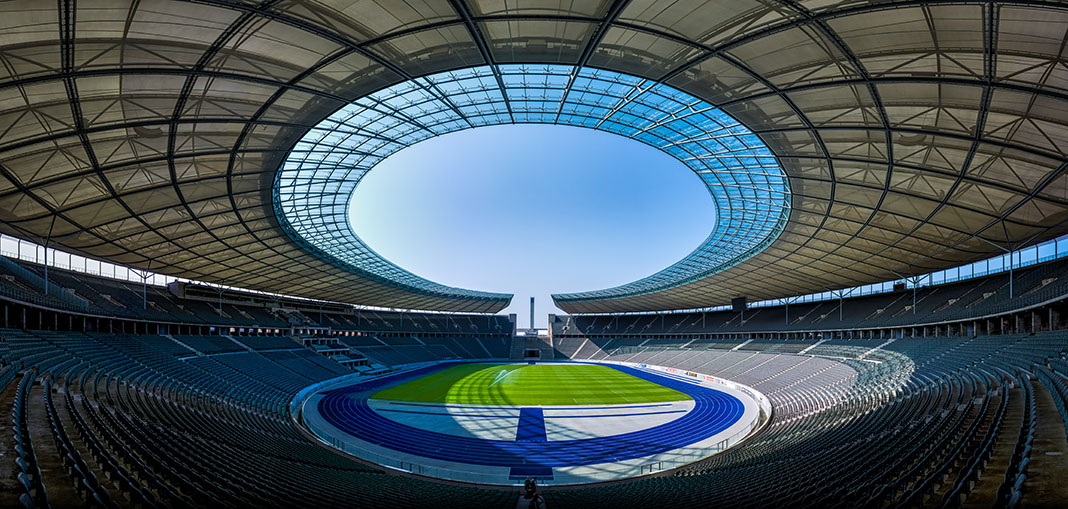
The architecture of different parts of Asia developed along different lines from that of Europe; Buddhist, Hindu and Sikh architecture each having different characteristics. Buddhist architecture, in particular, showed great regional diversity. Hindu temple architecture, which developed around the 3rd century BCE, is governed by concepts laid down in the Shastras, and is concerned with expressing the macrocosm and the microcosm. In many Asian countries, pantheistic religion led to architectural forms that were designed specifically to enhance the natural landscape.
With the emerging knowledge in scientific fields and the rise of new materials and technology, architecture and engineering began to separate, and the architect began to concentrate on aesthetics and the humanist aspects, often at the expense of technical aspects of building design. To satisfy the contemporary ethos a building should be constructed in a manner which is environmentally friendly in terms of the production of its materials, its impact upon the natural and built environment of its surrounding area and the demands that it makes upon non-sustainable power sources for heating, cooling, water and waste management and lighting.
In the late 20th century a new concept was added to those included in the compass of both structure and function, the consideration of sustainability, hence sustainable architecture.
We shape our buildings; thereafter they shape us.
Landscape architecture is the design of outdoor public areas, landmarks, and structures to achieve environmental, social-behavioral, or aesthetic outcomes. It involves the systematic investigation of existing social, ecological, and soil conditions and processes in the landscape, and the design of interventions that will produce the desired outcome.
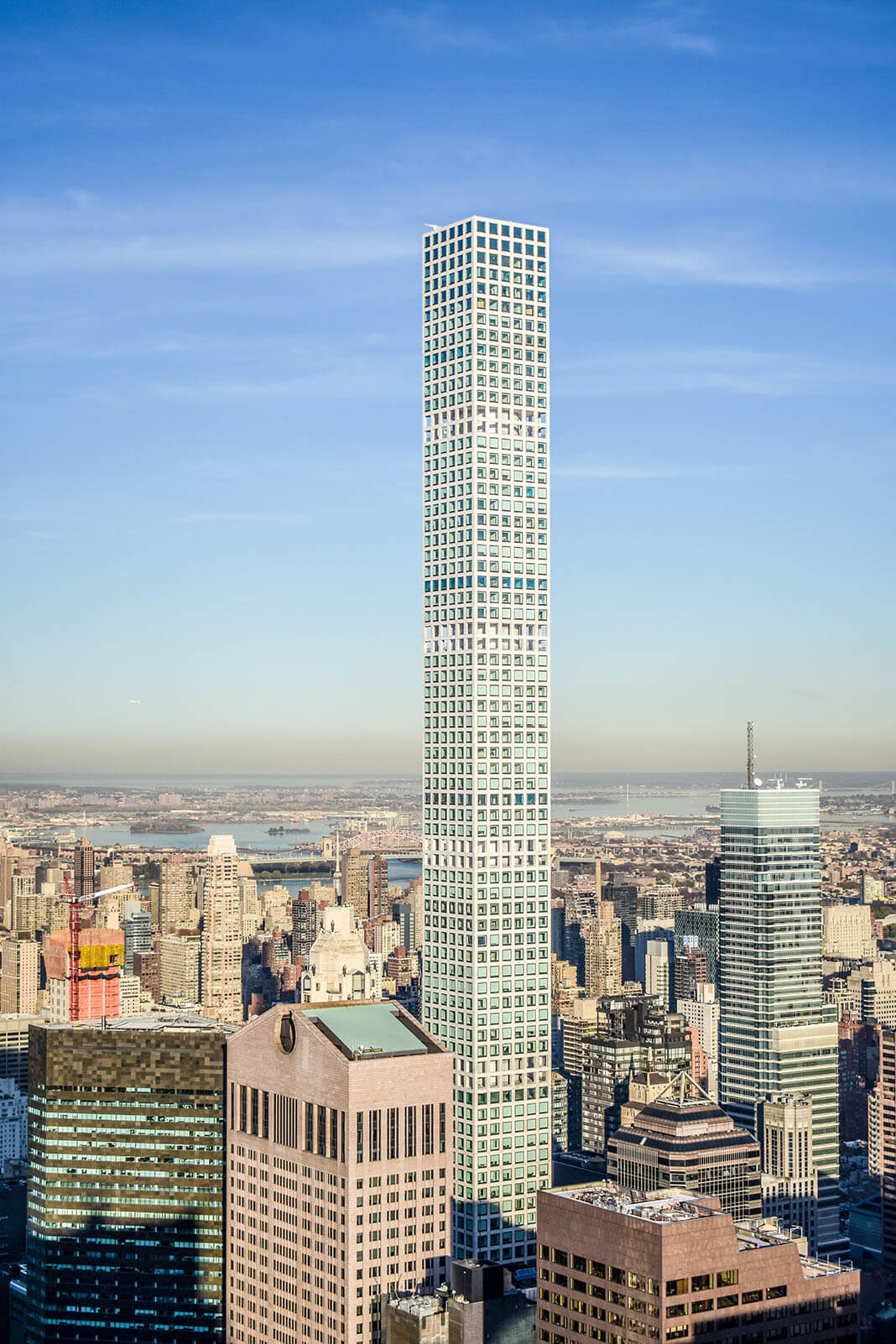
A system architecture can comprise system components that will work together to implement the overall system. There have been efforts to formalize languages to describe system architecture, collectively these are called architecture description languages (ADLs).
Business architecture is defined as « a blueprint of the enterprise that provides a common understanding of the organization and is used to align strategic objectives and tactical demands. » People who develop and maintain business architecture are known as business architects.
To restrict the meaning of (architectural) formalism to art for art’s sake is not only reactionary; it can also be a purposeless quest for perfection or originality which degrades form into a mere instrumentality ». Among the philosophies that have influenced modern architects and their approach to building design are rationalism, empiricism, structuralism, poststructuralism, and phenomenology.
There was also the rise of the « gentleman architect » who usually dealt with wealthy clients and concentrated predominantly on visual qualities derived usually from historical prototypes, typified by the many country houses of Great Britain that were created in the Neo Gothic or Scottish Baronial styles.
Forests were the first temples of God and in forests men grasped their first idea of architecture.
Since the 1980s, as the complexity of buildings began to increase (in terms of structural systems, services, energy and technologies), the field of architecture became multi-disciplinary with specializations for each project type, technological expertise or project delivery methods. In addition, there has been an increased separation of the ‘design’ architect from the ‘project’ architect who ensures that the project meets the required standards and deals with matters of liability.

The preparatory processes for the design of any large building have become increasingly complicated, and require preliminary studies of such matters as durability, sustainability, quality, money, and compliance with local laws.
We need houses as we need clothes, architecture stimulates fashion. It is like hunger and thirst you need them both.
A large structure can no longer be the design of one person but must be the work of many. Modernism and Postmodernism have been criticised by some members of the architectural profession who feel that successful architecture is not a personal, philosophical, or aesthetic pursuit by individualists; rather it has to consider everyday needs of people and use technology to create liveable environments, with the design process being informed by studies of behavioral, environmental, and social sciences. Cognitive architecture can refer to a theory about the structure of the human mind. One of the main goals of a cognitive architecture is to summarize the various results of cognitive psychology in a comprehensive computer model.
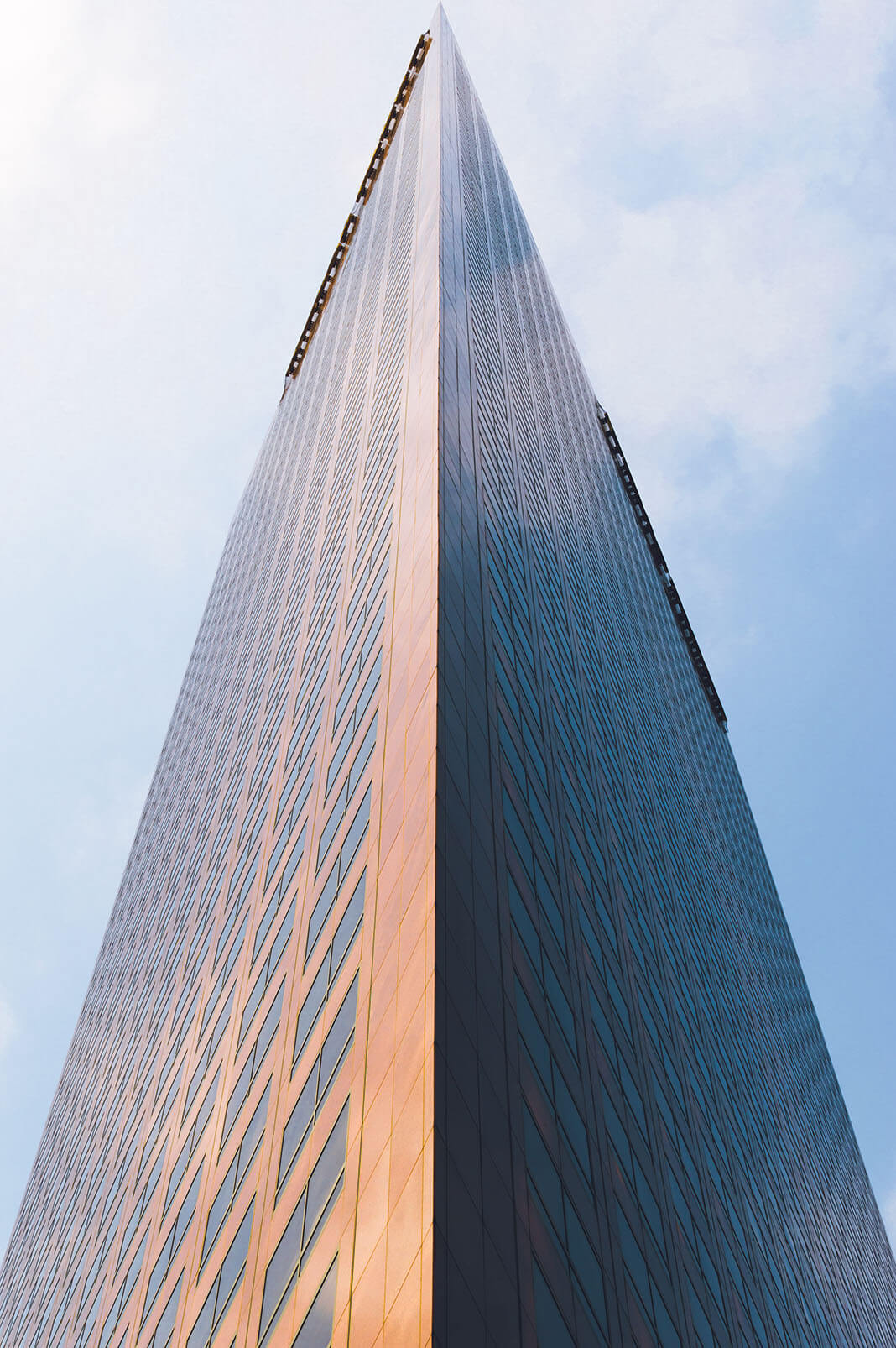
There has been an acceleration in the number of buildings which seek to meet green building sustainable design principles.
Environmental sustainability has become a mainstream issue, with profound effect on the architectural profession. Many developers, those who support the financing of buildings, have become educated to encourage the facilitation of environmentally sustainable design, rather than solutions based primarily on immediate cost. Major examples of this can be found in passive solar building design, greener roof designs, biodegradable materials, and more attention to a structure’s energy usage.
Enterprise architecture applies architecture principles and practices to guide organizations through the business, information, process, and technology changes necessary to execute their strategies. These practices utilize the various aspects of an enterprise to identify, motivate, and achieve these changes. » Practitioners of enterprise architecture, enterprise architects, are responsible for performing the analysis of business structure and processes and are often called upon to draw conclusions from the information collected to address the goals of enterprise architecture: effectiveness, efficiency, agility, and durability.